Wednesdays in August

Course Description
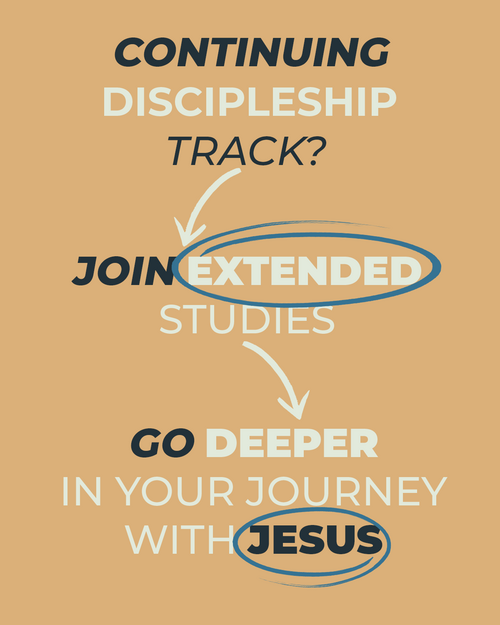
Discipleship Track: Extended Studies is designed for those who have completed Discipleship Track: Core and are ready to continue growing through deeper biblical study.
Unlike Core, which provides a shared foundation for every disciple, Extended Studies offers a growing selection of specialized courses that explore individual biblical themes, doctrines, historical settings, and practical areas of discipleship in greater depth. Each semester features multiple classes, allowing participants to choose from an expanding catalog of studies while continuing to build a stronger understanding of God's Word.
Whether you're exploring the world of biblical typology, the storyline of Scripture through its covenants, the cultures and languages of the Bible, or future topics yet to be introduced, every course is designed to deepen your confidence in Scripture, strengthen your walk with God, and equip you for greater effectiveness in ministry.
Completing Discipleship Track: Extended Studies courses contributes toward an advanced discipleship certification and reflects continued biblical formation that helps prepare disciples for greater responsibility and service within PORVA and beyond its walls.
See below for this semester's available courses.
Unlike Core, which provides a shared foundation for every disciple, Extended Studies offers a growing selection of specialized courses that explore individual biblical themes, doctrines, historical settings, and practical areas of discipleship in greater depth. Each semester features multiple classes, allowing participants to choose from an expanding catalog of studies while continuing to build a stronger understanding of God's Word.
Whether you're exploring the world of biblical typology, the storyline of Scripture through its covenants, the cultures and languages of the Bible, or future topics yet to be introduced, every course is designed to deepen your confidence in Scripture, strengthen your walk with God, and equip you for greater effectiveness in ministry.
Completing Discipleship Track: Extended Studies courses contributes toward an advanced discipleship certification and reflects continued biblical formation that helps prepare disciples for greater responsibility and service within PORVA and beyond its walls.
See below for this semester's available courses.
Option #1- Patterns: A Deeper Look at Biblical Typology
Have you ever noticed that the Bible seems to echo itself? A story in Genesis suddenly helps explain something in the New Testament. A person, an event, or even an object takes on deeper meaning as God's plan unfolds.
In this course, we'll discover the remarkable ways God has woven His redemptive plan throughout Scripture. From Genesis to the New Testament, we'll explore how real people, historical events, institutions, and symbols often prepare us for truths God reveals more fully later. Along the way, we'll learn how to recognize genuine biblical patterns, distinguish strong biblical evidence from mere speculation, and read Scripture with greater confidence and care.
More than simply collecting fascinating connections, this course is about learning to see the Bible as one unified story - written by one divine Author, unfolding one remarkable plan, and ultimately pointing us to Jesus Christ.
In this course, we'll discover the remarkable ways God has woven His redemptive plan throughout Scripture. From Genesis to the New Testament, we'll explore how real people, historical events, institutions, and symbols often prepare us for truths God reveals more fully later. Along the way, we'll learn how to recognize genuine biblical patterns, distinguish strong biblical evidence from mere speculation, and read Scripture with greater confidence and care.
More than simply collecting fascinating connections, this course is about learning to see the Bible as one unified story - written by one divine Author, unfolding one remarkable plan, and ultimately pointing us to Jesus Christ.
Option #2- Biblical Cultures and Covenants
The Bible wasn't written in a vacuum. God revealed His Word through real people living in real cultures, languages, and empires. Understanding that world helps us understand Scripture more clearly.
In the first half of this semester, we'll explore the major civilizations that shaped the biblical story—including Egypt, Babylon, Persia, Greece, Rome, and the world Jesus entered. Along the way, you'll discover how history, culture, language, and worldview provide valuable context for understanding God's Word.
In the second half of the semester, we'll trace the major covenants of Scripture, following God's unfolding plan from Genesis to the New Covenant in Jesus Christ. You'll see how these covenant relationships connect the entire biblical story and deepen our understanding of God's redemptive plan.
Together, these studies will strengthen your understanding of biblical history, theology, doctrine, and discipleship while helping you read Scripture with greater confidence and clarity.
If you enjoy digging deeper into God's Word and seeing how the Bible fits together as one unified story, Biblical Cultures and Covenants will equip you to do just that.
In the first half of this semester, we'll explore the major civilizations that shaped the biblical story—including Egypt, Babylon, Persia, Greece, Rome, and the world Jesus entered. Along the way, you'll discover how history, culture, language, and worldview provide valuable context for understanding God's Word.
In the second half of the semester, we'll trace the major covenants of Scripture, following God's unfolding plan from Genesis to the New Covenant in Jesus Christ. You'll see how these covenant relationships connect the entire biblical story and deepen our understanding of God's redemptive plan.
Together, these studies will strengthen your understanding of biblical history, theology, doctrine, and discipleship while helping you read Scripture with greater confidence and clarity.
If you enjoy digging deeper into God's Word and seeing how the Bible fits together as one unified story, Biblical Cultures and Covenants will equip you to do just that.
Course Description
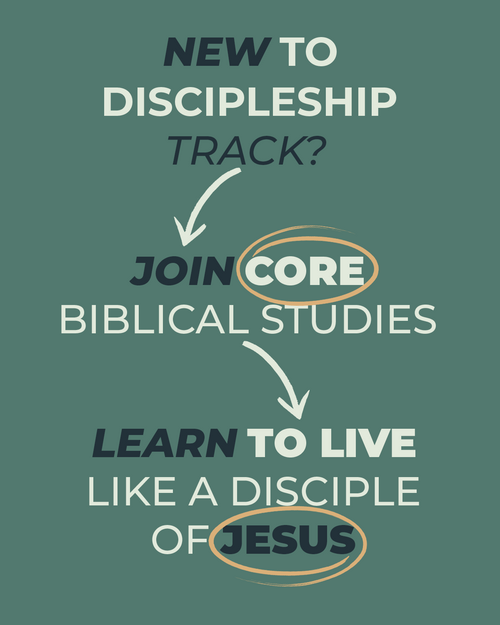
Discipleship Track: Core is the foundational starting point for disciples at PORVA. It is designed to establish the essential beliefs, practices, and rhythms every disciple needs before moving on to Discipleship Track: Extended.
Core is a 12-week journey built around one central goal: learning from scripture how to actually live as a disciple of Jesus. The first six weeks, called Discover, focus on laying a clear biblical foundation by exploring purpose, Scripture, salvation, and doctrine so you know what you believe and why it matters.
The next six weeks, called Develop, shift from understanding truth to practicing it, helping you form habits, rhythms, and community disciplines that shape everyday faith. Together, Discover and Develop move discipleship out of theory and into real life, inviting you to organize your life around Jesus and grow in a way that lasts.
Those who complete DT: Core receive a Certificate in Biblical Studies and are equipped to step into higher-level ministry opportunities at PORVA.
Core is a 12-week journey built around one central goal: learning from scripture how to actually live as a disciple of Jesus. The first six weeks, called Discover, focus on laying a clear biblical foundation by exploring purpose, Scripture, salvation, and doctrine so you know what you believe and why it matters.
The next six weeks, called Develop, shift from understanding truth to practicing it, helping you form habits, rhythms, and community disciplines that shape everyday faith. Together, Discover and Develop move discipleship out of theory and into real life, inviting you to organize your life around Jesus and grow in a way that lasts.
Those who complete DT: Core receive a Certificate in Biblical Studies and are equipped to step into higher-level ministry opportunities at PORVA.
Weekly Summary: Discover & Develop
Week 1: Discover Your Purpose
This opening lesson reframes purpose by showing that it isn’t found in big moments or self-focused fulfillment, but in becoming a disciple of Jesus. You’ll gain clarity on what discipleship actually means and how Jesus calls His followers to organize their lives around being with Him, becoming like Him, and doing what He did. You’ll walk away with a clearer sense of direction, a healthier understanding of purpose, and a compelling vision for what following Jesus is really meant to look like.
Week 2: Discover the Power of the Word
This lesson centers on why the Bible is not just a helpful resource, but God’s primary way of revealing truth, direction, and clarity for our lives. You’ll learn how Scripture anchors our faith, protects us from speculation and confusion, and provides a trustworthy foundation for understanding who God is and how He calls us to live. You’ll leave with greater confidence in approaching the Bible, practical tools for interpreting it wisely, and a renewed motivation to let God’s Word shape your thinking and daily decisions.
Week 3: Discover the Plan of Salvation, Part 1
This lesson brings the focus to the most urgent question the Bible answers: what it actually means to be saved and how to respond to God without relying on opinions or tradition. You’ll walk through Jesus’ conversation about being “born again” and then follow the message preached in Acts 2 to see the gospel presented with clarity and conviction. You’ll leave with a clearer understanding of why salvation is not just something to believe, but something to obey through repentance, baptism in Jesus’ name, and receiving the Holy Spirit.
Week 4: Discover the Plan of Salvation, Part 2
This lesson traces the plan of salvation across the Book of Acts, showing how the apostles consistently preached and practiced the same gospel as the church expanded beyond Jerusalem. You’ll follow real people as they respond to the message, from Samaritans to Gentiles, and see why receiving the Holy Spirit and being baptized in Jesus’ name were treated as essential, not optional. You’ll leave with stronger biblical confidence in the New Birth pattern, clarity on the purpose of baptism in Jesus’ name, and a deeper conviction to respond to the gospel with full obedience.
Week 5: Discover Doctrine, Part 1
This lesson challenges the idea that passion or tradition alone are enough by showing why truth must be anchored in what Scripture actually teaches. You’ll learn why doctrine matters for every disciple, how untested beliefs and emotional faith can lead people off course, and why the apostles treated sound doctrine as essential to spiritual life. This lesson lays a critical foundation by grounding faith in biblical truth, preparing you to understand God rightly and keep your walk with Him steady, confident, and aligned with Scripture.
Week 6: Discover Doctrine, Part 2
This lesson focuses on how beliefs about God are formed and why doctrinal clarity is essential for a healthy, lasting walk with Him. You’ll trace how the apostles understood Jesus through Scripture and how that understanding shaped their teaching, worship, and mission in the early church. This lesson provides a stabilizing framework for faith, helping you move beyond assumptions or inherited ideas and stay anchored in clear, biblical truth.
Week 7: Developing a Manager’s Mindset, Part 1
This lesson marks the shift from discovering truth to developing the habits and mindsets that shape daily faith. You’ll explore biblical stewardship as a way of life, learning how Scripture reframes ownership, responsibility, and pressure by calling believers to manage what God has entrusted to them. By identifying common patterns of mismanagement and contrasting them with God’s design, this lesson establishes a practical foundation for stewarding time, relationships, resources, and purpose with clarity, trust, and obedience.
Week 8: Developing a Manager’s Mindset, Part 2
This lesson takes stewardship from a big idea to everyday practice by focusing on the areas where most of us actually feel the pressure. You’ll look at time as your most limited resource and learn why wise stewardship is less about doing more and more about choosing what matters, moving at a pace that protects peace, presence, and spiritual health. You’ll also explore how testimony and influence are shaped in ordinary routines, not just dramatic moments, and why kingdom impact is often found in faithful attention to the people already in your path. Finally, you’ll examine stewardship in relationships and serving, confronting common excuses and reframing talents as something entrusted to be used, not just admired. The goal is simple: align daily life with God’s priorities so your faith shows up where it counts most.
Week 9: Developing a Manager’s Mindset, Part 3
This lesson brings stewardship into one of the most practical parts of everyday life by talking honestly about money and possessions. You’ll look at why Jesus spoke about resources so often, how the Bible connects generosity to trust and worship, and why what we do with money quietly shapes our hearts. Rather than focusing on pressure or guilt, this lesson helps reframe giving as alignment with God’s priorities, offering a healthier, faith-filled way to steward resources with freedom, confidence, and purpose.
Week 10: Developing Practical Holiness, Part 1 — A Holy Heart
Biblical holiness begins with the heart. Before it shapes our actions, it first transforms our desires, attitudes, and affections. In this lesson, we'll explore how surrender, love, humility, obedience, and integrity form the foundation of a holy life. We'll also see how inward transformation naturally expresses itself in the way we live, helping us avoid both legalism that focuses only on outward performance and a casual Christianity that neglects God's call to holy living. By the end of this lesson, you'll see holiness not simply as a list of standards, but as the life God is forming in every disciple from the inside out.
Week 11: Developing Practical Holiness, Part 2 — A Holy Mind
Following Jesus involves more than changing our behavior - it transforms the way we think. In this lesson, we'll explore how Scripture describes the mind as one of the primary battlegrounds of spiritual growth and why renewing our minds is essential to living a holy life. Together, we'll discover how God reshapes our thinking through His Word and His Spirit, helping us develop discernment, embrace Kingdom priorities, and view life from an eternal perspective. As our minds are renewed, our choices, attitudes, and actions begin to reflect the character of Jesus more fully.
Week 12: Developing Practical Holiness, Part 3 — A Holy Life
Holiness is ultimately meant to be lived. In this concluding lesson, we'll explore how a heart surrendered to God and a mind shaped by His truth naturally influence the way we live each day. Together, we'll see how inward transformation finds outward expression as we seek to honor God in every area of life. As we bring together everything we've learned, you'll be encouraged to pursue a life that reflects God's character with conviction, humility, and joy.
This opening lesson reframes purpose by showing that it isn’t found in big moments or self-focused fulfillment, but in becoming a disciple of Jesus. You’ll gain clarity on what discipleship actually means and how Jesus calls His followers to organize their lives around being with Him, becoming like Him, and doing what He did. You’ll walk away with a clearer sense of direction, a healthier understanding of purpose, and a compelling vision for what following Jesus is really meant to look like.
Week 2: Discover the Power of the Word
This lesson centers on why the Bible is not just a helpful resource, but God’s primary way of revealing truth, direction, and clarity for our lives. You’ll learn how Scripture anchors our faith, protects us from speculation and confusion, and provides a trustworthy foundation for understanding who God is and how He calls us to live. You’ll leave with greater confidence in approaching the Bible, practical tools for interpreting it wisely, and a renewed motivation to let God’s Word shape your thinking and daily decisions.
Week 3: Discover the Plan of Salvation, Part 1
This lesson brings the focus to the most urgent question the Bible answers: what it actually means to be saved and how to respond to God without relying on opinions or tradition. You’ll walk through Jesus’ conversation about being “born again” and then follow the message preached in Acts 2 to see the gospel presented with clarity and conviction. You’ll leave with a clearer understanding of why salvation is not just something to believe, but something to obey through repentance, baptism in Jesus’ name, and receiving the Holy Spirit.
Week 4: Discover the Plan of Salvation, Part 2
This lesson traces the plan of salvation across the Book of Acts, showing how the apostles consistently preached and practiced the same gospel as the church expanded beyond Jerusalem. You’ll follow real people as they respond to the message, from Samaritans to Gentiles, and see why receiving the Holy Spirit and being baptized in Jesus’ name were treated as essential, not optional. You’ll leave with stronger biblical confidence in the New Birth pattern, clarity on the purpose of baptism in Jesus’ name, and a deeper conviction to respond to the gospel with full obedience.
Week 5: Discover Doctrine, Part 1
This lesson challenges the idea that passion or tradition alone are enough by showing why truth must be anchored in what Scripture actually teaches. You’ll learn why doctrine matters for every disciple, how untested beliefs and emotional faith can lead people off course, and why the apostles treated sound doctrine as essential to spiritual life. This lesson lays a critical foundation by grounding faith in biblical truth, preparing you to understand God rightly and keep your walk with Him steady, confident, and aligned with Scripture.
Week 6: Discover Doctrine, Part 2
This lesson focuses on how beliefs about God are formed and why doctrinal clarity is essential for a healthy, lasting walk with Him. You’ll trace how the apostles understood Jesus through Scripture and how that understanding shaped their teaching, worship, and mission in the early church. This lesson provides a stabilizing framework for faith, helping you move beyond assumptions or inherited ideas and stay anchored in clear, biblical truth.
Week 7: Developing a Manager’s Mindset, Part 1
This lesson marks the shift from discovering truth to developing the habits and mindsets that shape daily faith. You’ll explore biblical stewardship as a way of life, learning how Scripture reframes ownership, responsibility, and pressure by calling believers to manage what God has entrusted to them. By identifying common patterns of mismanagement and contrasting them with God’s design, this lesson establishes a practical foundation for stewarding time, relationships, resources, and purpose with clarity, trust, and obedience.
Week 8: Developing a Manager’s Mindset, Part 2
This lesson takes stewardship from a big idea to everyday practice by focusing on the areas where most of us actually feel the pressure. You’ll look at time as your most limited resource and learn why wise stewardship is less about doing more and more about choosing what matters, moving at a pace that protects peace, presence, and spiritual health. You’ll also explore how testimony and influence are shaped in ordinary routines, not just dramatic moments, and why kingdom impact is often found in faithful attention to the people already in your path. Finally, you’ll examine stewardship in relationships and serving, confronting common excuses and reframing talents as something entrusted to be used, not just admired. The goal is simple: align daily life with God’s priorities so your faith shows up where it counts most.
Week 9: Developing a Manager’s Mindset, Part 3
This lesson brings stewardship into one of the most practical parts of everyday life by talking honestly about money and possessions. You’ll look at why Jesus spoke about resources so often, how the Bible connects generosity to trust and worship, and why what we do with money quietly shapes our hearts. Rather than focusing on pressure or guilt, this lesson helps reframe giving as alignment with God’s priorities, offering a healthier, faith-filled way to steward resources with freedom, confidence, and purpose.
Week 10: Developing Practical Holiness, Part 1 — A Holy Heart
Biblical holiness begins with the heart. Before it shapes our actions, it first transforms our desires, attitudes, and affections. In this lesson, we'll explore how surrender, love, humility, obedience, and integrity form the foundation of a holy life. We'll also see how inward transformation naturally expresses itself in the way we live, helping us avoid both legalism that focuses only on outward performance and a casual Christianity that neglects God's call to holy living. By the end of this lesson, you'll see holiness not simply as a list of standards, but as the life God is forming in every disciple from the inside out.
Week 11: Developing Practical Holiness, Part 2 — A Holy Mind
Following Jesus involves more than changing our behavior - it transforms the way we think. In this lesson, we'll explore how Scripture describes the mind as one of the primary battlegrounds of spiritual growth and why renewing our minds is essential to living a holy life. Together, we'll discover how God reshapes our thinking through His Word and His Spirit, helping us develop discernment, embrace Kingdom priorities, and view life from an eternal perspective. As our minds are renewed, our choices, attitudes, and actions begin to reflect the character of Jesus more fully.
Week 12: Developing Practical Holiness, Part 3 — A Holy Life
Holiness is ultimately meant to be lived. In this concluding lesson, we'll explore how a heart surrendered to God and a mind shaped by His truth naturally influence the way we live each day. Together, we'll see how inward transformation finds outward expression as we seek to honor God in every area of life. As we bring together everything we've learned, you'll be encouraged to pursue a life that reflects God's character with conviction, humility, and joy.